
Most people who record a talk about making money online are selling a course by the end of it. Rob Dial opens his by saying the opposite. He has nothing to sell in this one. He says he recorded it because he hates watching people stay stuck in jobs they dislike, working years in what he calls the rat race, when other options exist.
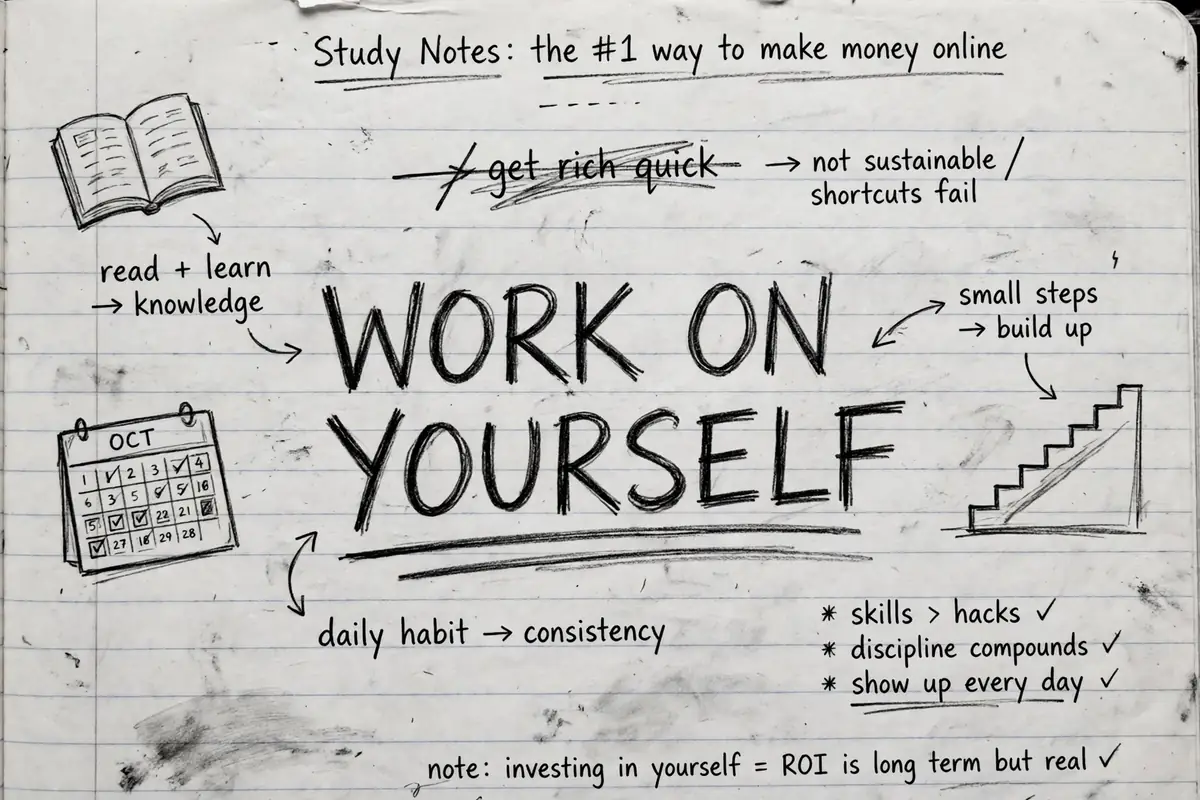
His answer is not a platform or a tactic. After years of meeting people who earn their living online, he keeps landing on the same conclusion: the number one way to make money online is to work on yourself every day, until you become the kind of person who can build income in the first place. The methods matter. They just come second.
The answer is a person, not a platform
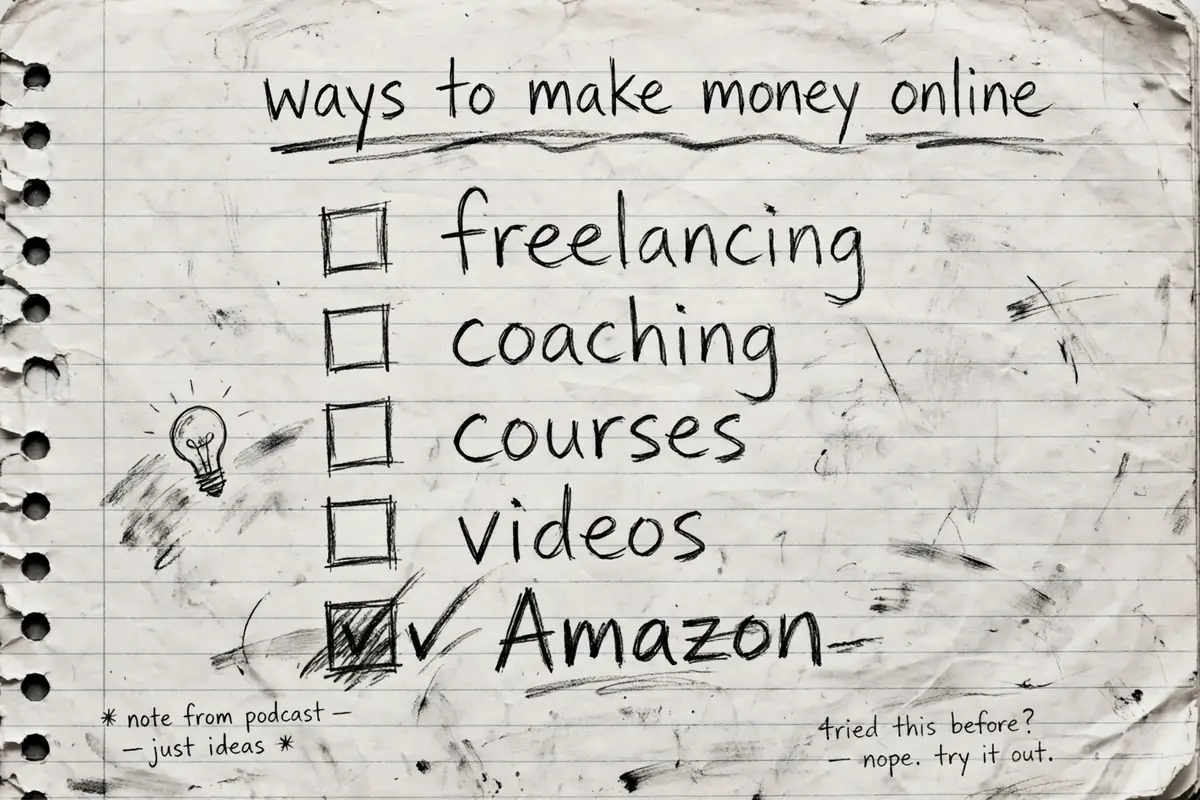
Dial’s own line, repeated through the talk, is that there are a million ways to make a million dollars. He means it literally. He has met people earning online through ads, videos, coaching, stores, courses and books. If the methods are that many and that varied, the method cannot be the deciding factor.
What the earners had in common was less visible. They had broken an old belief about work. They had picked one thing and stayed with it long past the point where most people quit. They kept learning, from events, mentors and paid courses, and they put themselves in rooms with people further ahead. Personal development sounds soft next to a tactic with steps and screenshots. Dial treats it as the whole game, because the person is the part that carries over from one method to the next.
Why most people stay stuck before they start
Before listing a single method, Dial spends a long stretch on why capable people never earn their first online dollar. His answer is upbringing, in two layers.
The time equals money lesson
Most of us were raised by people who traded hours for wages, because that was the only model they had. Dial’s mother worked as a realtor and drove trucks, sometimes holding two or three jobs at once. The lesson absorbed in a house like that is simple: more money means more hours. Under that belief, starting an online business looks like a threat. If extra income requires extra time, a parent will protect family time and never start.
Online income breaks that rule slowly. Early on it really is more time for little money. Later, as a skill sharpens, the ratio flips. Dial calls himself a recovering work addict who once worked 110 hours a week at 21, running an office for a marketing company. The flip only happened after he stopped measuring income by the hour.
School trains workers, not owners
The second layer is school. Sit in a box, wait for the bell, raise a hand to speak, one person in charge of the room. Dial argues the system is built to produce employees, and college continues the pattern: people go, in his words, to get a job, not to start anything. He is a college dropout himself, and he remembers the reaction when he left.
None of this is an argument against jobs or degrees. It explains why earning online feels impossible to many people before they have even tried. The belief was installed early, by parents and classrooms that never had another model to show.
The earners he met had ordinary methods and unusual patience
The stories in the talk are worth hearing because none of the methods sound exotic once they are explained.
At one of his first internet marketing events, Dial chatted with a quiet, soft spoken man who would not meet his eyes. The man ran Facebook ads for other businesses. Later someone told Dial what the man earned: around a million dollars a month in profit. Another friend of his makes about 17 million dollars a year doing the same work, running ads for clients.
A finance creator he follows on YouTube has about 2.3 million subscribers and makes roughly 300,000 to 400,000 dollars a month from ads on his videos about saving, credit cards and housing. On Facebook, where creators receive 55 percent of the ad revenue from their videos, Dial knows someone clearing over a million dollars a month with viral videos. He knows people who built brands on Amazon and sold the companies for 15 million dollars.
Read those numbers as his accounts, not as promises. The point he draws from them is narrower: shy people, ordinary people, people selling unglamorous products. The shared trait was depth. Each of them picked one lane and got very good at it.
What the daily work on yourself actually looks like
Personal development can sound like a poster slogan. In the talk it has a schedule and a budget attached.
Get into rooms, even awkward ones
Dial admits he hates networking and finds it awkward. He went anyway, to event after event, including a monthly meetup in Austin called Internet Marketing Party that he attended for years. His read on those rooms: about 95 percent of attendees are there to hand out business cards, and about 5 percent are people worth knowing. His whole goal is to find one person from that 5 percent and have coffee with them in the following days. The bigger conferences he names are Traffic and Conversion in San Diego, Funnel Hacking Live, and Social Media Examiner’s event. The friendships compounded. Friends of the impressive people turned out to be impressive too.
Pay to learn, with your eyes open
He attends webinars by the hundred and warns that most end with a sales pitch. He goes anyway, to study how skilled people present and sell. When someone is genuinely doing the thing you want to do, buying their course beats spending five years reverse engineering it. At his current level he budgets around 100,000 dollars a year on mentorships, masterminds and events. Nobody starts there, he says. A thousand dollars on one good event is his suggested first step for someone earlier on.
Pick one thing and go deep
His own income came from coaching. He built a large following, then a coaching business teaching other coaches, fitness, life, wellness, nutrition, couples and mindset coaches among them, how to grow online. The pattern he recommends is the same one he followed: find the thing, then go hard at that thing instead of sampling everything.
His first online dollar story is small and specific. Someone told him Audible pays 15 dollars when a listener starts a free trial through your link. He mentioned books on his podcast, added the link, and one morning woke up to 15 dollars earned while he slept. For a man raised by a mother working multiple jobs, money arriving during sleep rearranged something. He describes getting obsessed after that, and in the four years that followed, his companies brought in about four to five million dollars in sales. He had quit his job back in 2012 and spent three months backpacking Europe alone, already wondering how people earned money without a workplace. The obsession, when it came, had years of curiosity under it.
If the target in your head is a specific seven figure number, the step by step side of it is covered in our earlier guide on how to make your first million. This talk covers the layer underneath those steps.
How long does it take to make money online?
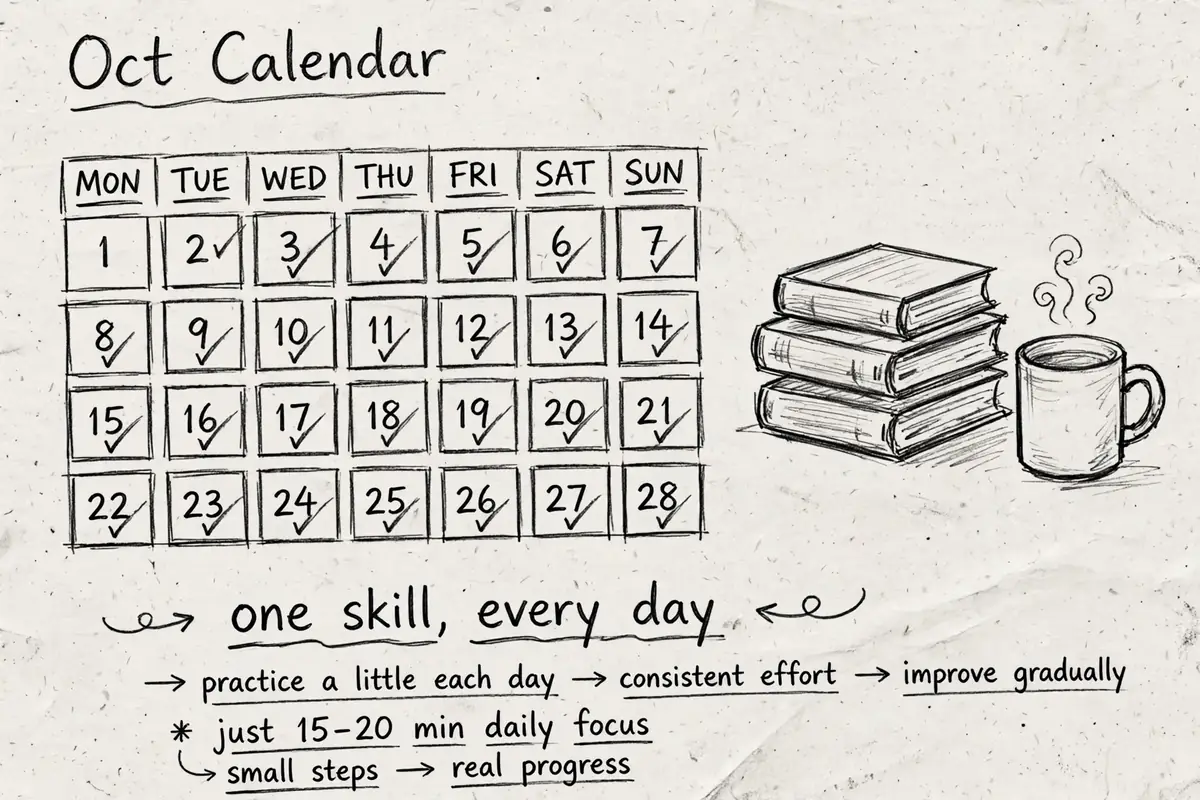
This is the question under every other question, and Dial does not offer a tidy timeline. The first dollar matters more than the amount, because it breaks the belief that online income is something other people do. After that, expect the search for your niche to take time. He tells listeners it might be two, three, five, even seven years before they look up and realize they found the thing they love, earning more than they expected and working less than they feared.
His own arc fits that range. Years of curiosity from 2012, a long stretch of methods that went nowhere, then four fast years once the coaching business clicked. Anyone promising a shorter, certain schedule is usually the person he warned about in the first minute: someone with something to sell.
So the practical read of this talk is unglamorous. Choose one method from the long list, freelancing, coaching, courses, videos, a store, and treat the real project as yourself: your beliefs about time and money, your willingness to be in rooms where you feel out of place, your budget for learning, your patience with one lane. The methods are a million. The person using them is one.
Disclaimer: This article is educational content based on a public talk. It is not financial advice, and it does not promise any income or result. Earnings figures mentioned are the speaker’s own accounts from the talk. What you earn depends on your work, your market, and your circumstances.