Car Weatherstrip Seal Conditioner Review (2026): Keep Door Seals Soft, Flexible & Freeze-Free
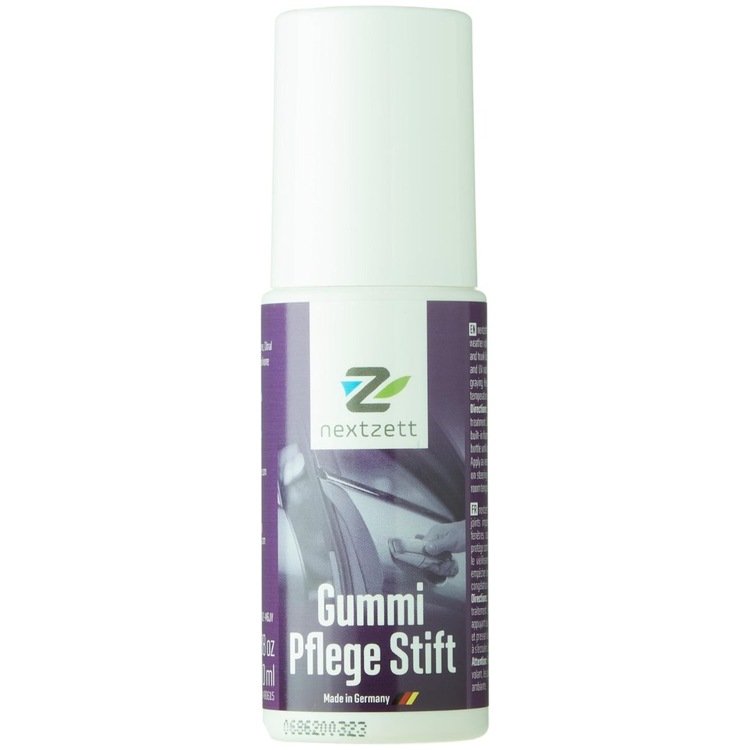
Rubber door seals dry out, shrink and stick — and then one cold morning the door will not open, or the seal tears when you pull it. A car weatherstrip seal conditioner is the small bottle that stops that from happening: wipe it on the seals and it restores softness and flexibility, keeps the rubber from cracking and fading, and stops doors freezing shut in winter. We looked at this 3.4 fl oz conditioner with its built-in sponge applicator to see whether one bottle is enough to keep a whole car sealed.
In this article
- Car Weatherstrip Seal Conditioner Prevents Freezing Cracking Fading
- Car Weatherstrip Seal Conditioner Key Specifications
- How a Car Weatherstrip Seal Conditioner Works
- Freezing, Cracking & Fading: What It Prevents
- Where to Use It — Doors, Sunroof, Hood & Trunk
- Who Is It For?
- You May Also Like
- Frequently Asked Questions
- Final Verdict: Should You Buy It?
Car Weatherstrip Seal Conditioner Prevents Freezing Cracking Fading
- 3.4 fl oz (100 ml) liquid conditioner
- Built-in sponge applicator — mess-free, no extra tools
- Conditions door, window, sunroof, hood and trunk seals
- Prevents freezing, cracking, fading and sticking
PROS
- ✓ Keeps doors from freezing shut in winter
- ✓ Restores softness and flexibility to dry, stiff seals
- ✓ Built-in sponge applicator — no mess, no extra tools
- ✓ Works on doors, windows, sunroofs, hoods and trunk lids
- ✓ Protects against heat and water so seals last longer
CONS
- ✕ Small 3.4 fl oz bottle — treating every seal on a large vehicle uses a good part of it
- ✕ Liquid must be wiped on by hand — no spray option for hard-to-reach seals
- ✕ Protection fades over time — reapply through the seasons to keep seals conditioned
Car Weatherstrip Seal Conditioner Key Specifications
| Size | 3.4 fl oz (100 ml) |
| Form | Liquid |
| Applicator | Built-in sponge tip |
| Scent | Citrus |
| Use On | Door, window, sunroof, hood and trunk rubber seals |
| Made In | Germany (as shown on the bottle) |
| Weight | 120 g |
How a Car Weatherstrip Seal Conditioner Works
Rubber weatherstripping is what keeps rain, wind and road noise out of your car — but rubber dries out. Sun, heat and cold slowly pull the oils out of it, and the seal turns stiff, shrinks a little, and starts to crack. A car weatherstrip seal conditioner puts that flexibility back: the liquid soaks into the rubber, conditions it from the inside, and leaves a thin protective layer on the surface. The seal swells slightly back to its original shape, so the door closes tight again and the rubber stays soft instead of tearing when you pull the door open.
Applying it takes minutes. The bottle has a sponge built into the tip, so you press it against the seal and wipe along — no rags, no gloves, no mess on your hands. One pass covers a door seal, and the liquid dries to a clean finish rather than a greasy film. That matters in winter most of all: a dry seal sticks to the painted door frame when water freezes between them, and the door will not open until the ice melts. A conditioned seal does not stick, so the door opens on the coldest morning.
Freezing, Cracking & Fading: What It Prevents
Freezing is the headline problem — doors frozen shut, seals torn when forced open — but cracking and fading do the slow damage. A cracked seal lets water in, and water in the door sill means rust and damp carpets. A faded, grey seal makes even a clean car look tired. This conditioner tackles all three: it keeps the rubber pliable so it does not crack when it flexes, it shields the surface so the black stays black instead of fading to grey, and it stops the seal bonding to the door frame in freezing weather. The same treatment that repair and detail shops have used on rubber seals for over 30 years works the same way in your driveway.
It also protects against heat and water between treatments. Summer sun bakes door seals just as surely as winter freezes them, and rain washes untreated rubber dry over time. A conditioned seal sheds water instead of soaking it up, and the surface stays supple through both seasons — which is why the bottle is worth keeping in the garage and using before winter sets in and again in spring.
Where to Use It — Doors, Sunroof, Hood & Trunk
Every rubber seal on the car benefits, not just the doors. The trunk seal keeps water out of the boot, the hood seal keeps engine heat and rain out of the bay, and the sunroof seal is the one most owners forget until it leaks. The sponge tip is small enough to follow the sunroof seal around its frame, and the liquid works the same way on all of them: wipe it on, let it soak in, and the rubber stays soft and sealed. Window seals and the rubber around the tailgate get the same treatment.
Before ordering, check that your seals are rubber — this conditioner is made for rubber weatherstripping. If a seal is already torn through or crumbling, no conditioner will save it; that seal needs replacing. But for seals that are dry, stiff, squeaky or starting to fade, one bottle is usually enough to treat a whole car and see the difference straight away.
Who Is It For?
This car weatherstrip seal conditioner is for anyone whose car lives outside in real weather: drivers in cold winters who have fought a frozen door, owners of older cars whose seals have gone dry and grey, and anyone who wants to stop a small leak before it becomes rust. If you only need to treat one door, the bottle will last a long time. If your seals are badly dried out, the protectant below helps bring the color and flexibility back. And if you drive an RV, the spray options below cover the bigger slide-out seals this little bottle was not made for.
You May Also Like
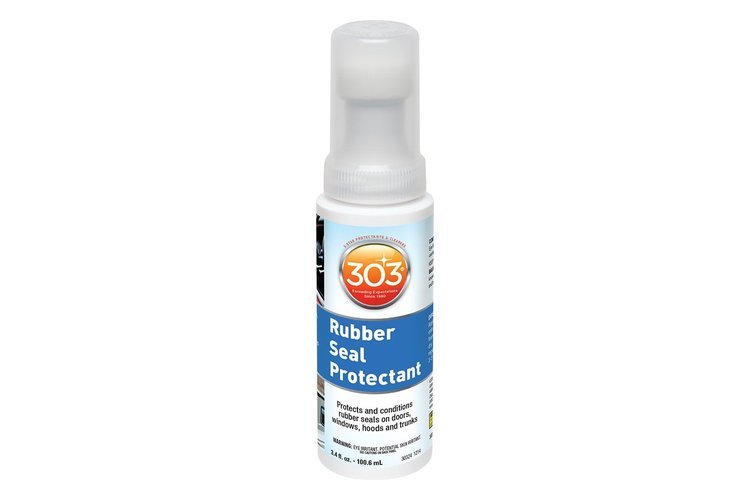
Rubber Seal Protectant – 3.4 fl oz
Restores color and flexibility to aging seals on doors, windows, hoods and trunks — with UV protection and a non-greasy finish.
Check Product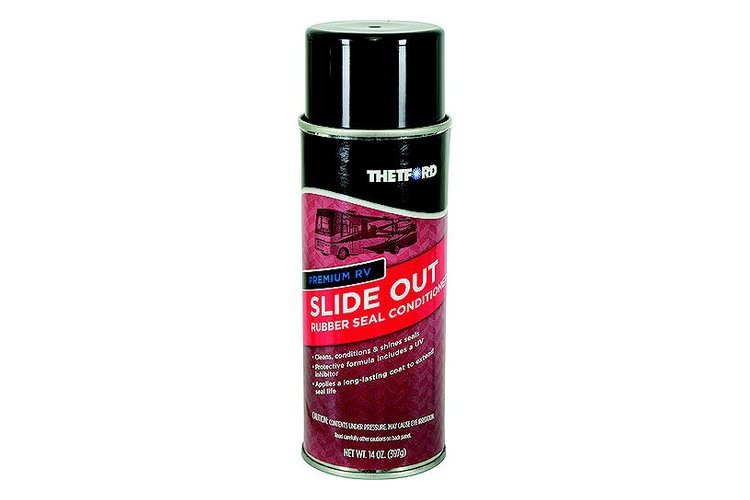
RV Slide-Out Rubber Seal Conditioner Spray – 14 oz
Spray-on conditioner for RV slide-out seals — cleans, conditions and shines with a UV inhibitor.
Check Product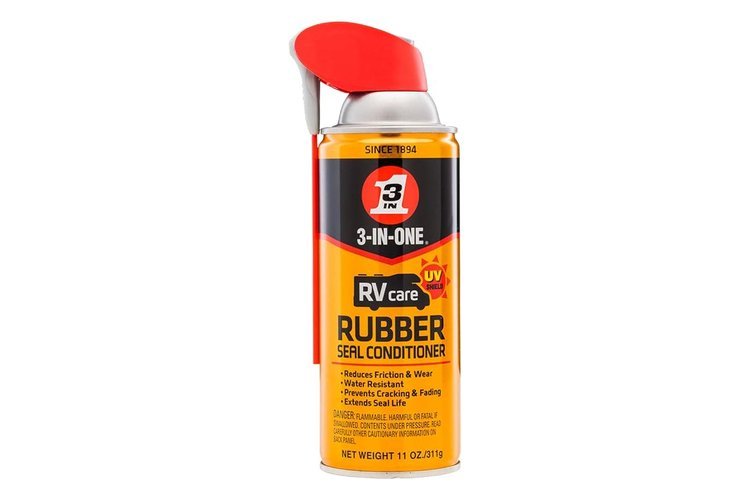
Rubber Seal Conditioner Spray with UV Shield – 11 oz
Spray conditioner with a two-way straw for precision or wide coverage — water-resistant, prevents cracking and fading.
Check ProductFrequently Asked Questions
It restores softness and flexibility to the rubber seals around your doors, windows, sunroof, hood and trunk. It keeps the seals from drying out, cracking and fading, and stops them sticking to the bodywork in freezing weather.
Yes — that is its main winter job. A conditioned seal does not bond to the painted door frame when water freezes, so the door opens on cold mornings instead of staying stuck shut or tearing the seal when you force it.
On any rubber weather seal: door seals, window seals, sunroof seals, hood seals and trunk seals. The built-in sponge tip follows the seal around its frame, including the sunroof.
Press the built-in sponge tip against the seal and wipe along its length. No rags, gloves or extra tools are needed, and the liquid dries to a clean finish rather than a greasy film.
Protection fades over time, so reapply through the seasons — once before winter sets in and again in spring keeps the seals conditioned all year. Treat the seals whenever they start to look dry or feel stiff.
Final Verdict: Should You Buy It?
A car weatherstrip seal conditioner is one of the cheapest ways to avoid an expensive repair: a torn seal lets water in, and water means rust. This 3.4 fl oz bottle, with its mess-free sponge applicator, keeps door, trunk and sunroof seals soft, flexible and freeze-free — and one bottle treats a whole car. Just remember it is for rubber seals that are dry or stiff, not for seals that are already torn through. For those, the seal needs replacing, not conditioning.
Check Product