
A million sounds like a number that belongs to other people. Lottery winners. Tech founders on magazine covers. Somebody’s cousin in Dubai.
Dr. Olumide Emmanuel has spent years teaching the opposite view: the first million follows a sequence, and the sequence can be learned. In a talk shared by the Dan – Creates Wealth channel, he walks through 10 steps. Some of it is mindset. Most of it is work. Below is the talk in written form, with the examples he used, because the examples are the parts worth remembering.
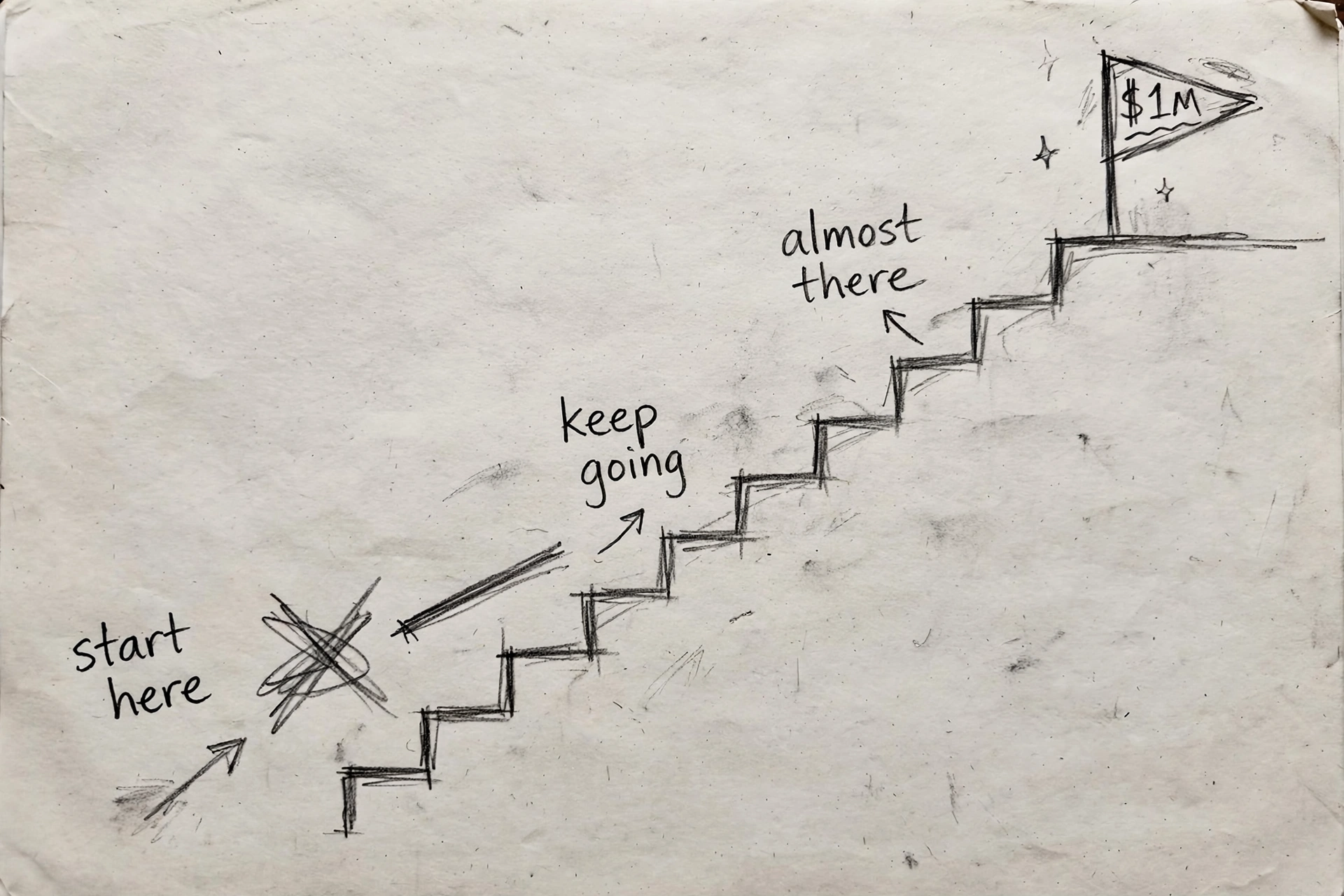
Step 1: Sort out your millionaire mindset
Every plan in the talk starts here, and it is the step people roll their eyes at. Emmanuel argues that a lot of us were raised with two ideas running at the same time. Money is necessary, and money is somehow dirty. Rich people must have cheated. Wealth makes people proud, so it is safer to stay average.
His answer is blunt. You build the mindset of a millionaire before you build the bank balance of one. Money is a tool. It is the reward nobody hands you for doing nothing; it shows up when you create value and solve problems for people. A knife can cook dinner or do harm, and nobody blames the knife. Until that thinking changes, he says, you will keep pushing away the thing you claim to want.
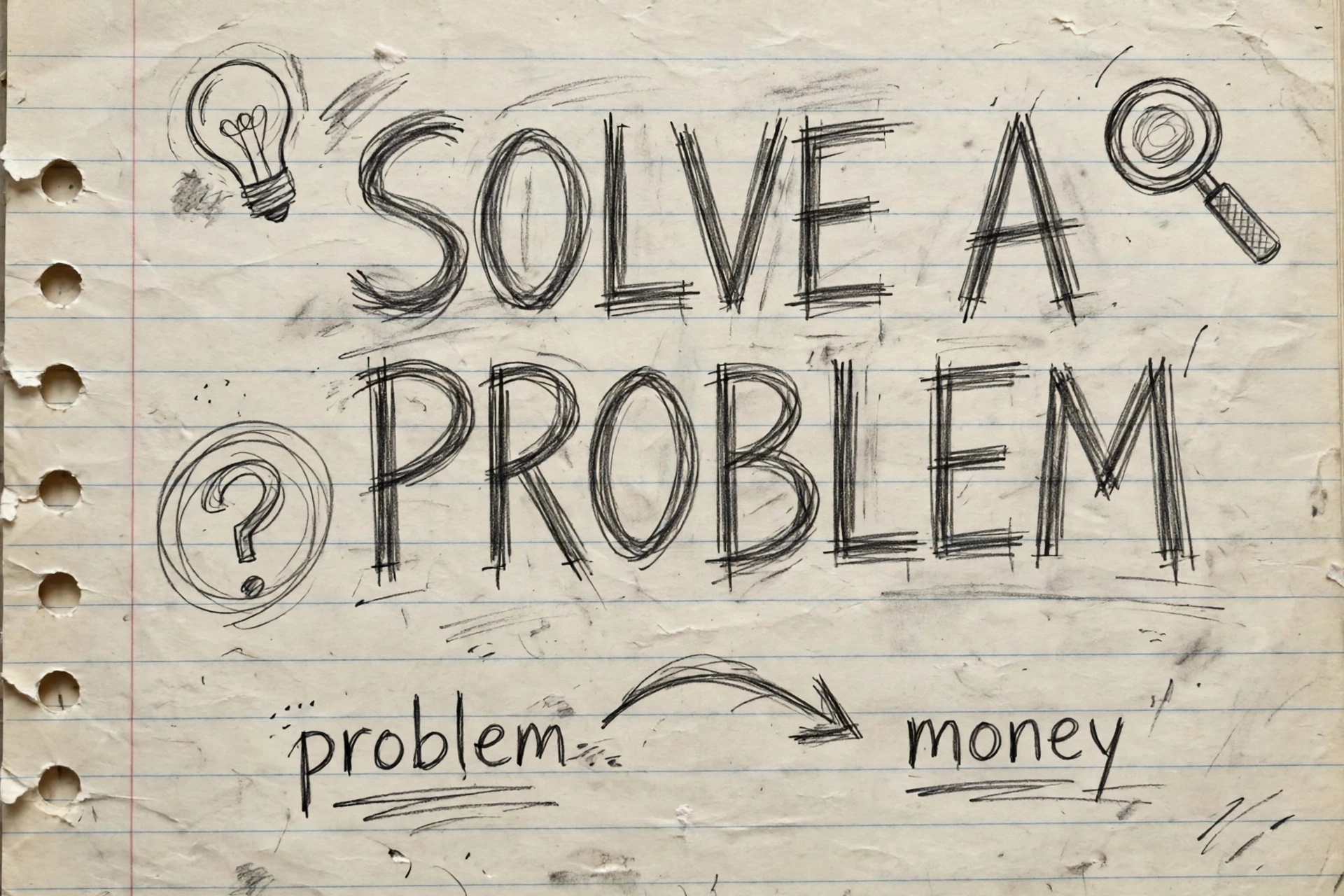
Step 2: Find a problem that will not leave you alone
Ask people what they are passionate about and you get hobbies. Emmanuel flips the question. What problem makes you angry? What do you see in your family, your street, your country, that you wish somebody would fix?
His reasoning is practical. Passion cools off when the work gets hard, usually around month three. A problem you genuinely care about keeps pulling you back. He also makes a point that sounds cold until you sit with it: nobody pays you for your passion. People pay for solutions. So the problem comes first, and the money is downstream of it.
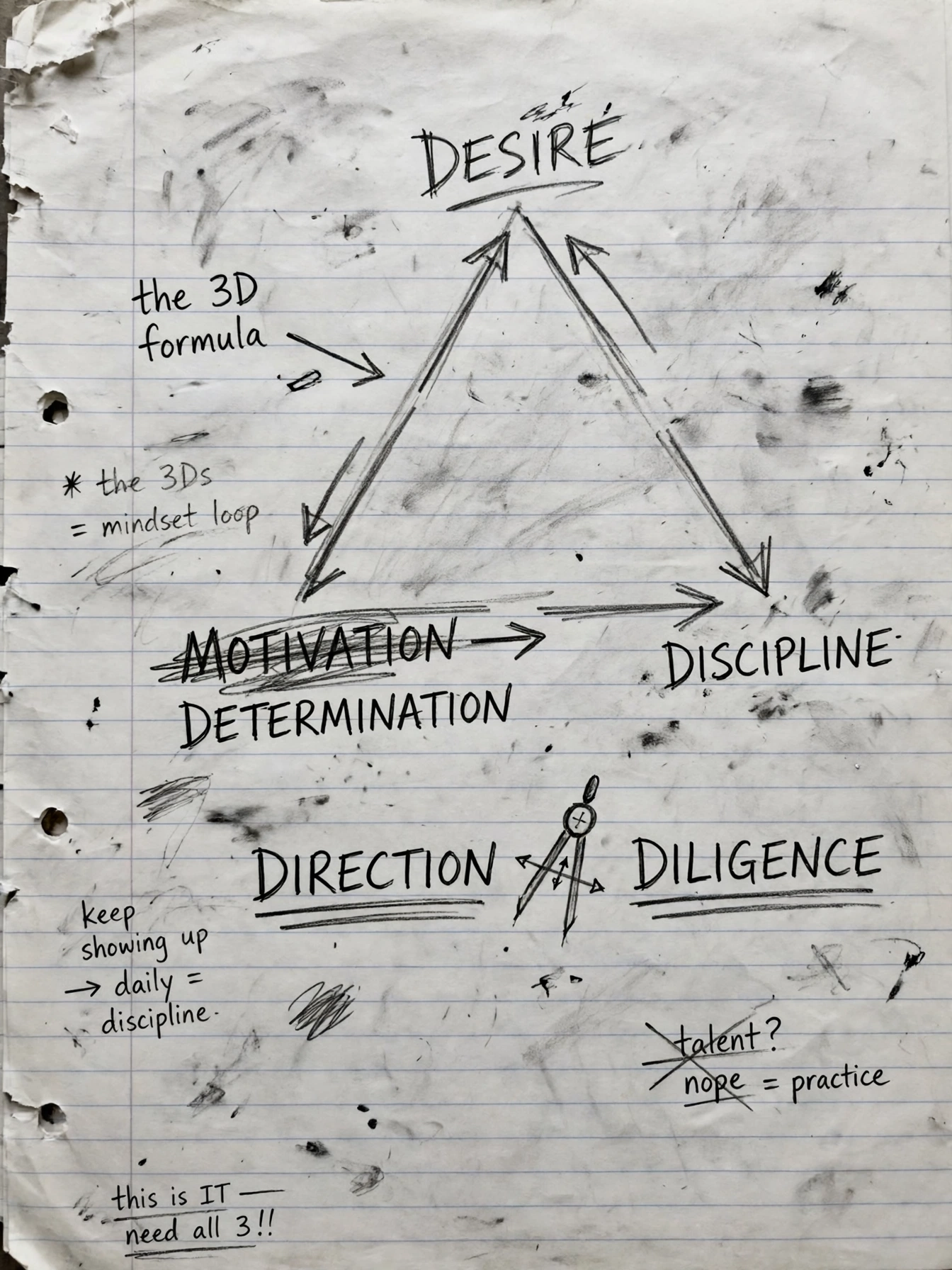
Step 3: Run it through the 3D formula
This is the framework he keeps returning to. The 3 Ds are desire, determination, and discipline.
Desire is wanting the change badly enough that it survives bad weeks. Determination is the decision under it, the point where quitting stops being an option you review every Monday. Discipline is the dull part: doing the work daily, especially on the days it feels pointless. Talent, he insists, is mostly a story people tell afterward. The people ahead of you usually just refused to stop.
Two more Ds hold the frame up. Direction, because effort aimed at the wrong target is still wasted effort. And diligence, the habit of doing small things properly, on time, without being chased.
Step 4: Study money like it is a subject
Here is a statistic he throws out to make the room uncomfortable: nine of the ten richest people in the world dropped out of university, and their money still sits in banks run by graduates. His point is not that school is useless. It is that school trains you to earn a salary, and nobody’s curriculum covers getting rich.
So he prescribes a second education. Books on money. Courses. Seminars. Coaches. He compares it to studying medicine or law: any field that produces serious income gets studied seriously, except this one, where people expect instinct to do the job. Read about money the way you would study for an exam your future depends on, because in a sense it does.
Step 5: Package what you know, then sell it
At some point the learning has to turn into an offer. Emmanuel’s own business, Crimson Media, started small. He wrote articles for 100 dollars each. Consulting paid 150 dollars an hour. Then he packaged what he knew into products: books, training programs, courses. In 2013 the company sold for 1.2 million dollars.
The jump in that story is not the sale price. It is the packaging. Knowledge sitting in your head earns nothing. The same knowledge, turned into something a stranger can buy, becomes an asset that pays you more than once.
Step 6: Sell the outcome, not your effort
One of the sharper lines in the talk: poor people sell products, rich people sell outcomes. A hospital does not sell you injections and bandages. It sells you the feeling of walking out healthy, and that is why the bill looks the way it does.
Practically, this means aiming at problems people already feel. Big problems carry big money. Small inconveniences carry small money. If your offer solves something people describe as urgent, pricing stops being the awkward part of the conversation.
Step 7: Keep the money once it arrives
Earning is only half the leak. Emmanuel tells stories of people who made real money and ended with nothing to show for it, because spending grew faster than income and nobody was watching the difference.
His fix is boring on purpose. Track what comes in and what goes out. Live below what you earn. Delay the purchases that exist mainly to impress people who are not paying your bills. A million kept is worth more than two millions that passed through your hands on the way to somebody else’s business.
Step 8: Buy assets and build passive income
The step that separates a good year from actual wealth: put money into things that pay you back. Property that rents. A business that runs. Shares. A product that sells while you sleep. He calls this the multi-level income stage, where money arrives from more than one direction and no single bad month can zero you out.
Notice the order in his system. Assets come after earning and keeping, not before. Buying investments on an empty income is just another way to stay stuck, with nicer vocabulary.
Step 9: Build the network before you need it
You will hit doors that money cannot open. A phone call opens them. Emmanuel treats relationships as part of the work, not a distraction from it: the right rooms, the right tables, people whose names carry weight in the places you want to enter.
There is a story he tells about Sakumzi Macozoma, who once worked as a gardener and a driver for a professor. The job put him near people and conversations that changed what he believed was possible. He is a billionaire today. Proximity is not magic, but it changes your information, and your information changes your decisions.
Step 10: Find a mentor, and include God in the plan
Two things close the talk. First, mentorship: he credits older business figures with cutting years off his learning curve, correcting expensive mistakes before he made them. A mentor is a shortcut that does not feel like cheating, because you still do the work. You just stop doing the wrong work.
Second, he is open about his faith. His last step is to include God in the plan, to ask for help beyond your own strength and contacts. You can take that as theology or as humility. Either way, it is how he frames the whole list: your effort matters, and it is not the only force in the story.
Where to start this week
Pick the step that stings a little. For most people reading this, it is step 2 or step 7. Write down one problem you would happily spend five years solving, or open your bank statements and find out where last month’s money actually went. One page of honesty beats another month of motivation videos.
Then keep the staircase in view. A million is a big number, but it is climbed the way every staircase is climbed: one ordinary step, repeated longer than feels reasonable.
How long does it take to make your first million?
People ask this a lot, and the talk does not give a number, which is the honest answer. Emmanuel’s whole point is that the time depends on the sequence: how fast you fix the mindset, find the problem, package something sellable, and start keeping and investing the difference. Two people can follow the same 10 steps and finish years apart because their incomes and starting points differ. What the steps change is the direction. Without them, the honest answer to “how long” is usually “never”.
Disclaimer: This article is educational content based on a public talk. It is not financial advice, and it does not promise any income or result. What you earn depends on your work, your market, and your circumstances.